Search


Jeep Extended Warranty: FCA Coverage vs Third-Party Options

Jozi Wiltshire
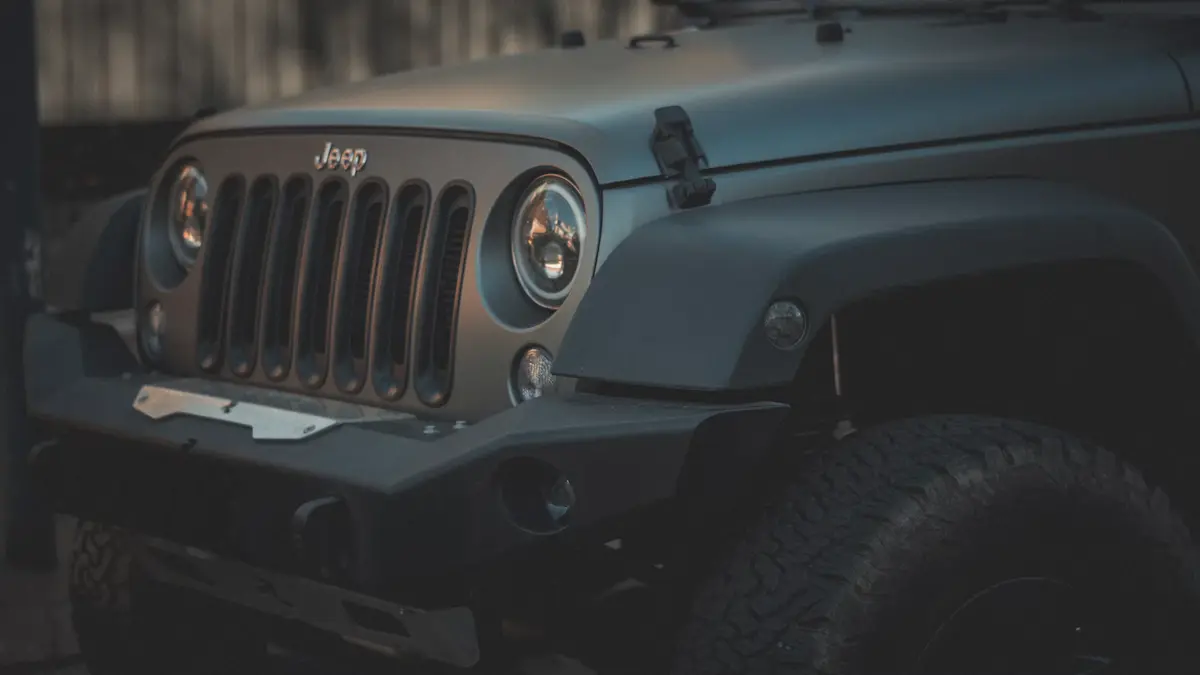
With Jeep, it’s less a question of whether you should buy an extended warranty and more one of which to choose.
There’s no denying that Jeeps have a distinctive character. Between that and their off-road capabilities, it’s no mystery why many drivers are so loyal to the brand. But deciding to purchase a Jeep is a gamble on the frequency and cost of repairs.
You might get lucky and never even experience the hint of a death wobble or have to pay a visit to the repair shop outside of routine maintenance. Odds are that most drivers won’t fall into that camp. That’s where an extended warranty—technically a vehicle service contract—comes in.
You have two main options: a FlexCare Vehicle Protection plan or a third-party vehicle service contract.
Jeep Reliability: Why an Extended Warranty Is Usually Worth It
There are some brands that you just trust. Toyota, Honda, Lexus. Many drivers purchase those cars specifically because they don’t want to have to buy extended coverage. That’s not to say nothing will ever go wrong, and more and more drivers are looking into Honda and Toyota extended warranties.
Jeep sits in a different category. You don’t buy a Wrangler or Grand Cherokee because you’re sure it will never fail. You do it for other reasons. If you own a Jeep, it’s a good idea to at least brace yourself for the chance of a serious repair.
What Reliability Studies Show
Consumer Reports, RepairPal, and JD Power have all conducted their own reliability studies. Results are consistent in some areas but vary in others.
In JD Power’s 2026 Vehicle Dependability Study, Jeep placed 25th out of 28 car brands, with 267 problems per 100 vehicles. That’s significantly higher than the industry average of 204 problems per 100 vehicles. Worth noting is that the study focused on models that are three years old.
Consumer Reports ranks Jeep 24th out of 26 car brands in their own reliability study, which uses data from members. In another Consumer Reports ranking that took into account reliability, consumer satisfaction, safety, and road-test scores, Jeep placed 31st out of 31 brands. In other words: It was at the very bottom of the pack.
RepairPal, diverging somewhat from the other studies, ranks Jeep 15th out of 32 brands and assigns it a 3.5 out of 5.0. Unlike the other rankings mentioned, RepairPal’s reliability study focused on older vehicles, covering the 2010 to 2019 model years.
According to RepairPal, Jeep has an average annual repair cost of $634, which is above average. Meanwhile, annual repair-shop visits per year sit at 0.3, and the probability of a repair being severe was found to be 13%.

Mopar FlexCare Vehicle Protection Review
Since 1944, Jeep has changed corporate ownership more than a few times. Currently, Stellantis, a multinational corporation, owns the brand, along with other well-known auto brands like Dodge, Chrysler, Alfa Romeo, Ram, Maserati, and Fiat.
The “official” version of Jeep extended coverage is FlexCare Vehicle Protection, formerly known as Mopar Vehicle Protection. FlexCare provides factory-backed extended warranties for the Stellantis brands, including Chrysler, Dodge, Ram, and Fiat.
You may be offered a FlexCare plan when buying a new Jeep, but you don’t need to purchase it immediately. New Jeeps come with a 3-year/36,000-mile factory bumper-to-bumper warranty and a 5-year/60,000-mile powertrain warranty. You have until the bumper-to-bumper warranty expires to purchase FlexCare.
There are three tiers:
Extended Care
This is a powertrain plan, making it the most basic form of coverage. It includes over 300 parts.
Coverage includes:
- the engine block
- all internally lubricated parts
- the transmission and torque converter
- drive shifts
- differential assemblies
Suspension, steering, braking, and electrical systems aren’t covered.
Extended Care Plus
Extended Care Plus is the rebranded name for what used to be Mopar’s Added Care Plus plan. It’s a mid-level plan that covers over 800 parts. It’s a good option if you’re a daily driver who wants coverage for major mechanical components beyond just the powertrain.
In addition to the engine, transmission, and drive axle, coverage includes:
- the HVAC system
- steering
- braking systems
- electrical and fuel systems
The plans aren’t as comprehensive as Extended Care Premium, but they offer broad protection for important systems that could cost thousands to repair out of pocket. The trade-off for a slightly lower payment is that convenience systems aren’t covered.
Extended Care Premium: Previously Jeep Max Care Extended Warranty
Before the 2025 rebrand from Mopar to FlexCare Vehicle Protection, the highest level of manufacturer-backed protection for Jeep was known as Max Care. Not much has changed other than the name. The terms, coverage, and claims process remain the same, as with the other plans.
Extended Care Premium offers protection for over 5,000 vehicle components. It’s as close to a factory bumper-to-bumper warranty as you’ll get, making it a smart choice if you drive a trim-heavy Jeep.
Coverage expands on what Extra Care and Extra Care Plus cover, including:
- adaptive cruise control modules
- high-tech electrical systems
- safety sensors and cameras
- infotainment screens
- power seats, mirrors, and windows
- turbochargers
Given the extensive coverage, Extended Care Premium offers the most value for money. If you have a trim-heavy Jeep or want the most peace of mind you can get from an extended warranty, then this would be the plan to go with.
FlexCare Vehicle Protection: Important Terms to Know About
FlexCare plans pick up where factory warranties end. To be eligible for coverage, you need to purchase the plan before your Jeep’s 3-year/36,000-mile factory bumper-to-bumper warranty ends.
There are some other terms to know about.
Coverage Duration
As of September 1, 2026, the unlimited mileage option has been discontinued, so FlexCare coverage is now capped at 8 years/125,000 miles. However, you can choose to purchase less coverage. For example, you may opt to extend coverage to 6 years/75,000 miles.
What’s important to understand off the bat is what extending coverage really means in terms of age and mileage. Purchasing an 8-year/125,000-mile plan doesn’t equal an extra 8 years and 125,000 miles of coverage. Rather, you get another 5 years and 89,000 miles of protection.
Deductible
As with the mileage term and length of extended coverage, the deductible is customizable. You can choose between a $0, $100, or $200 deductible. A higher amount will reduce the overall cost of the plan; a lower amount will increase it.
Benefits
FlexCare plans for Jeep come with benefits:
- Roadside assistance up to $100 per occurrence. Services include sign-and-go towing, jumpstarts, fuel delivery (maximum of 2 gallons), and lockout service. Tire change is available if you have a good spare.
- The rental allowance is $45 per day up to $175 per occurrence if your Jeep is in the shop for a covered repair.
- Trip-interruption protection reimburses up to $1,000 for meals and lodging if you have a breakdown over 100 miles from home. The repairs must be covered under warranty for the benefit to apply.
Exclusions
All vehicle service contracts come with exclusions, as do factory warranties. FlexCare’s are fairly standard. The following are examples of what won’t be covered:
- damage or breakdowns from normal wear
- pre-existing conditions
- brake pads, shoes, rotors, and drums (regardless of the reason for failure)
- damage from fires, accidents, abuse, vandalism, or environmental events
- modifications not approved or recommended by the manufacturer
- exterior components (tires, sheet metal, wind noise, weather strips, etc.)
The exclusions list in the contract will be fairly extensive, and it’s important to read it carefully. The same goes if you purchase protection from a third-party provider.
Certain vehicles are ineligible for coverage:
- vehicles that have either previously or are currently being used for races or acceleration trials
- vehicles used for public service (police cars, ambulances, postal-service cars)
- vehicles that exceed the manufacturer’s specifications for payload or towing (or both)
FlexCare covers off-road use within the manufacturer’s specifications, but severe off-road use is excluded.
Jeep Extended-Warranty Cost
With some manufacturer-backed plans, a third-party alternative can be cheaper. This isn’t necessarily the case with FlexCare Vehicle Protection for Jeep.
The total cost of plans tends to fall between $1,500 and $2,900, but you could pay anywhere from $700 to $5,000 or more. Depending on the plan and terms, what you’re quoted could be less or similar to what a third-party provider offers.
These are some prices taken from real quotes, showing the price difference between Extended Care Plus and Extended Care Premium. A $200 deductible applies:
2023 Jeep Renegade (0 miles):
- $550 for an additional 3 years/39,000 miles of coverage on an Extended Care Plus plan
- $870 for the same terms on an Extended Care Premium plan
2022 Jeep Gladiator (20,000 miles):
- $1,395 for an additional 5 years/64,000 miles of coverage on an Extended Care Plus plan
- $2,080 for the same terms on an Extended Care Premium plan
Considering that the average additional cost of extended coverage per year for a top-tier vehicle service contract from a third-party provider is $1,000, FlexCare may be the cheaper option.
If you’re leaning toward a FlexCare plan, you’ll likely get a better price if you buy it sooner rather than later. While you have up until the 3-year/36,000-mile mark, it’s cheaper to buy FlexCare while your Jeep is still under 12 months and has fewer than 12,000 miles. Rates increase from this point onward.
Jeep Extended Warranty for Popular Models
Regardless of the manufacturer, some models are just more reliable than others. But it’s not just about the model. Sometimes a generation of the same model holds up better than the one that came before or after it.
Here’s what we know about recent Wranglers and Grand Cherokees.
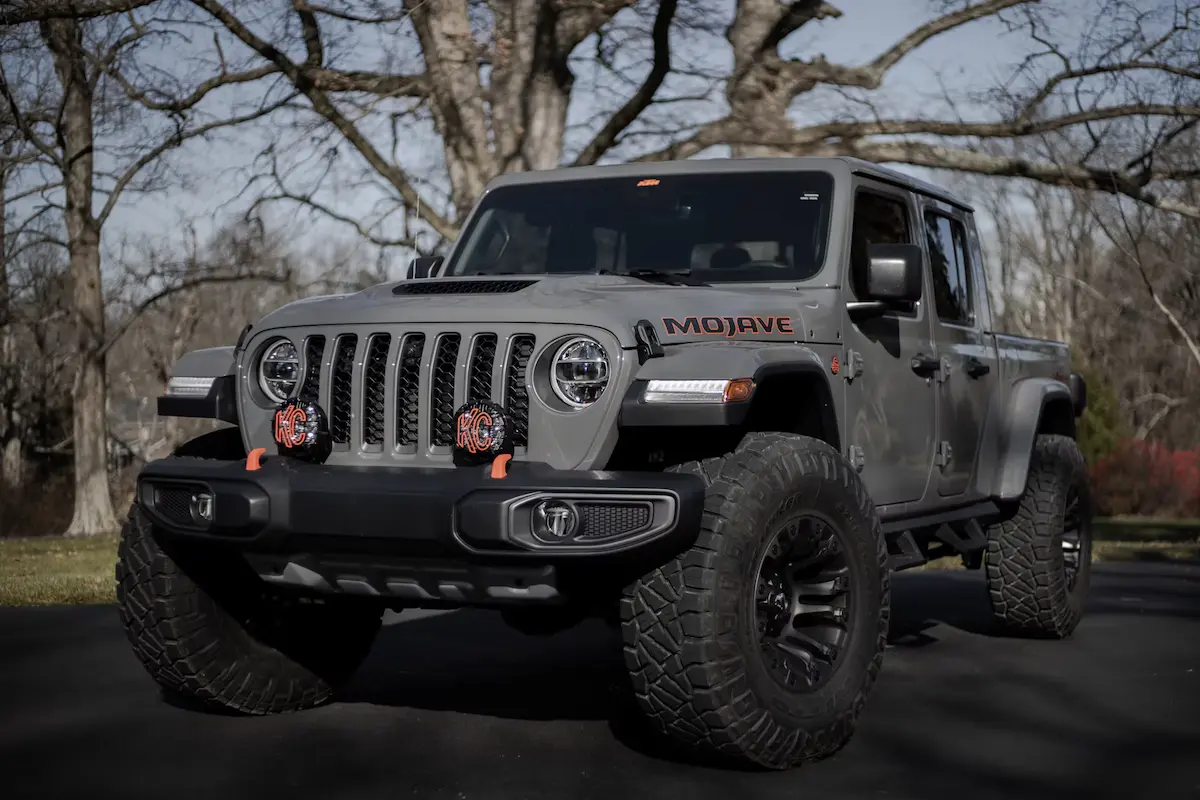
Jeep Wrangler Extended Warranty
As far as reliability goes, the Wrangler is considered one of the best models out of Jeep’s lineup.
With that said, the National Highway Traffic Safety Administration has recalled the 2023 Wrangler 16 times. Electronics have been a particular pain point, and the electrical system accounts for seven of the recalls. There have also been some reports of more serious transmission problems, as well as high-voltage battery concerns on the Wrangler 4xe.
The “death wobble” is another recurring problem, but it’s not new to the Wrangler. The name comes from the uncontrollable shaking of the front end and steering wheel that occurs after hitting a bump or driving over uneven road surfaces. It commonly happens when driving between 40 and 60 miles an hour, too.
Between the electronics-related issues, death wobble, and transmission woes, it’s worth considering a high-tier extended warranty on a Wrangler. Prices may fall between $2,200 and $3,700, depending on the terms and the provider.
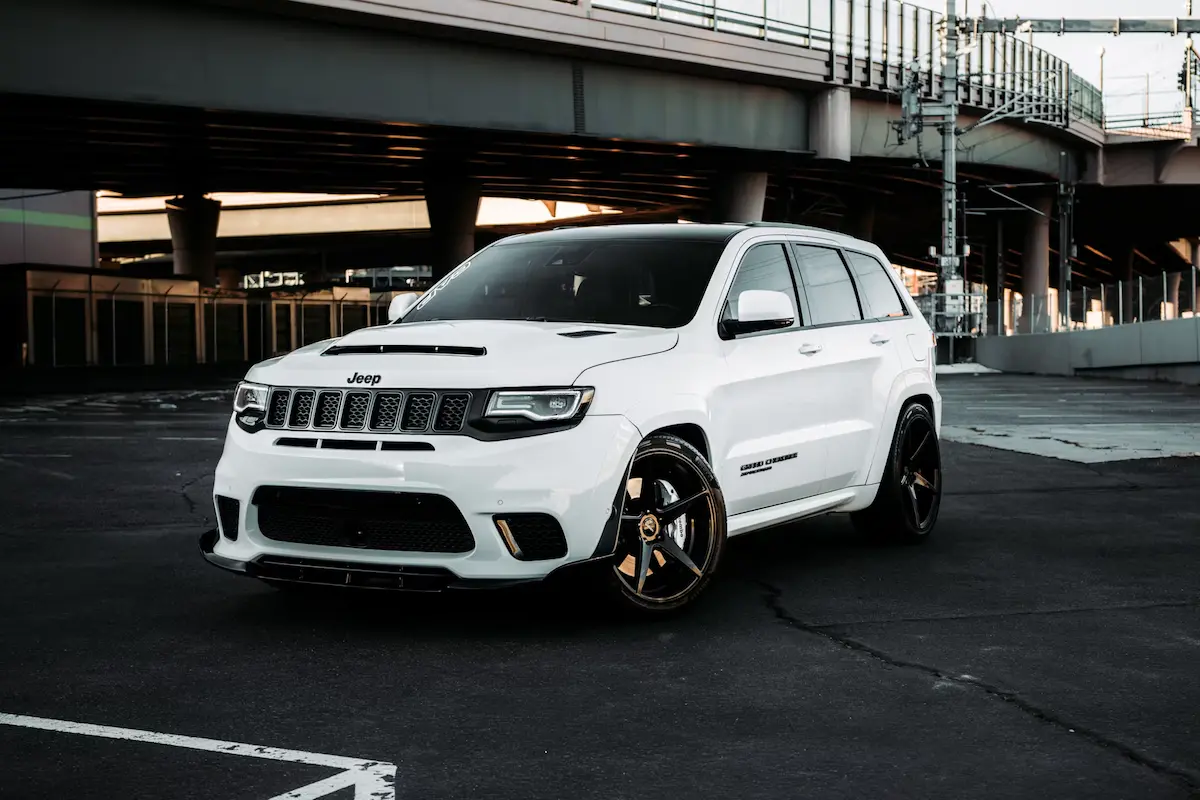
Jeep Grand Cherokee Extended Warranty
In September 2026, Jeep announced a recall on the 2021–2023 Grand Cherokee L and 2022–2023 Grand Cherokee and Grand Cherokee 4xe. More than 328,000 vehicles are included in the recall, which was deemed necessary due to incorrectly installed rear coil springs that can detach on the road.
The 2022–2026 Grand Cherokee 4xe has also been recalled due to the same high-voltage battery problem as the Wrangler 4xe.
As of November 2026, there are 23 recalls on the 2023 Grand Cherokee, making it a much less reliable model than some of its counterparts from other manufacturers. Common problems reported relate to electrical accessories, in-car electronics, suspension, and the drive system.
Similar to the Wrangler, current trends in consumer complaints suggest that an extended warranty would be a worthwhile investment. In terms of cost, plans tend to range from $1,500 to $5,000. The quoted price will depend on several variables, including the terms and provider.
Best Extended Warranty for Jeep: FlexCare vs Third-Party Alternatives
FlexCare coverage is limited to 8 years or 125,000 miles. Considering that the average age of vehicles on the road is nearing 13 years, and given the known reliability issues with Jeep models, a third-party warranty is a practical option once both factory and FlexCare coverage lapse.
With third-party providers, there are more options to choose from and more room for plan customization, including optional extra services. Chaiz data shows a 52% add-on adoption rate among Jeeps that fall within the 80,000–120,000-mile group, suggesting a preference for more comprehensive coverage.
Most providers have age and mileage caps, but there are those that offer plans for high-mileage vehicles.
Here’s a side-by-side comparison of how third-party providers compare to FlexCare Vehicle Protection:
There are pros and cons to both FlexCare Vehicle Protection and third-party providers:
FlexCare Pros
- Plans are factory-backed by Stellantis.
- FlexCare plans are affordable compared to other manufacturer-backed plans.
- Repairs are performed using only OEM parts.
- Off-road use can be covered if it falls within manufacturer specifications.
FlexCare Cons
- Coverage has to be purchased while the Jeep is under factory bumper-to-bumper warranty.
- Additional coverage starts from the Jeep’s in-service date.
- Some consumers report difficulty getting claims paid.
- Coverage is capped at eight years.
Third-Party Provider Pros
- Coverage can be purchased at any time within the provider’s age and mileage limits.
- Plans can be customized, and you can choose between different tiers.
- Depending on the provider, plans may be more affordable.
- You can choose add-ons to make coverage more comprehensive.
Third-Party Provider Cons
- The authorization process for claims may be time-consuming.
- Repairs may be performed using aftermarket parts.
- Third-party providers may go out of business.
- Comparing quotes and finding a good provider can take a bit of effort.
Is a Jeep Extended Warranty Worth It?
That’s not always an easy question to answer. However, if you want to hold onto your Jeep, then yes, an extended warranty is worth it. The reason the answer skews yes is a combination of reliability and the cost of repairs.
Here’s a look at some common repairs and estimated pricing:
- advanced driver-assistance systems: $2,000
- HVAC compressor replacement: $1,200
- transmission rebuild: $1,500–$5,500+
- transmission replacement: $5,000–$10,000+
- specialized air suspension repairs: $1,200–$5,000+
For a good number of drivers, the warranty pays for itself after one or two repairs.
There’s also the increasing probability of major repairs as your Jeep ages. In the first year, chances of something big going wrong are slim, and the factory warranty is still active. By the eighth year, chances of a big breakdown happening are closer to 25%, and the cost to repair that breakdown will likely be over $1,000.
There are risks to purchasing an extended warranty, and you may choose to rather put money aside in a dedicated repair fund. But having something is better than nothing with a Jeep. FlexCare can help you up to the age and mileage limits. After that, third-party warranties become the only option, and Chaiz’s comparison tool and provider directory help you find the right fit.
Jozi Wiltshire