



Considering a Toyota extended warranty? Find out about Toyota Extra Care, what coverage includes, and third-party alternatives.
Considering a Toyota extended warranty? Find out about Toyota Extra Care, what coverage includes, and third-party alternatives.
“An extended warranty? No. Why do you think I’m buying a Toyota?”
That’s a common sentiment when it comes to extended coverage for Toyota models. It’s an argument that’s held up for a long time, but complex electronics have changed the landscape. Those repairs aren’t as manageable out of pocket as a broken brake line on a Toyota Camry would’ve been 20 years ago.
So, what are the options? You have two main routes: a Toyota Extra Care Vehicle Service Agreement or a third-party vehicle service contract (VSC).
Below, we’ll discuss what Toyota’s VSA covers, whether it’s worth it, and how it compares to third-party products.
When it comes to extended coverage for their vehicles, many drivers feel more comfortable purchasing a manufacturer-backed contract than a third-party one. However, because of its reliability track record, it’s easy to dismiss extended protection of any kind for Toyota. After all, it’s Toyota.
Current rankings still place Toyota near the top of reliability lists. In JD Power’s 2025 Vehicle Dependability Study, Toyota took third place in the mass-market segment. In 2026’s study, the brand had five award recipients at the model level: the Corolla, Camry, Tacoma, Sienna, and 4Runner.
Furthermore, in JD Power’s 2026 Brand-Loyalty Study, Toyota ranked highest among mass-market brands for the fifth consecutive year. Its 64.8% rating was followed by Honda, which ranked second with a 57.5% loyalty rate.
RepairPal’s reliability study partially reflects why so many consumers are loyal to Toyota. With a 4.0 out of 5 stars, Toyota places 8th out of 32 car brands. Toyota’s average annual repair cost of $441 is below the industry average of $652, and the average annual repair shop visit is approximately 0.3 times. This is also below the industry average, which is 0.4 unscheduled visits.
While all of that may have confirmed your decision not to purchase, there are a few points to weigh up:
Toyotas aren’t problem-free; the difference is that their problems are inconsistent. A Nissan Rogue is likely to have a transmission problem, but with Toyota, it’s harder to pinpoint what might go wrong on each model.
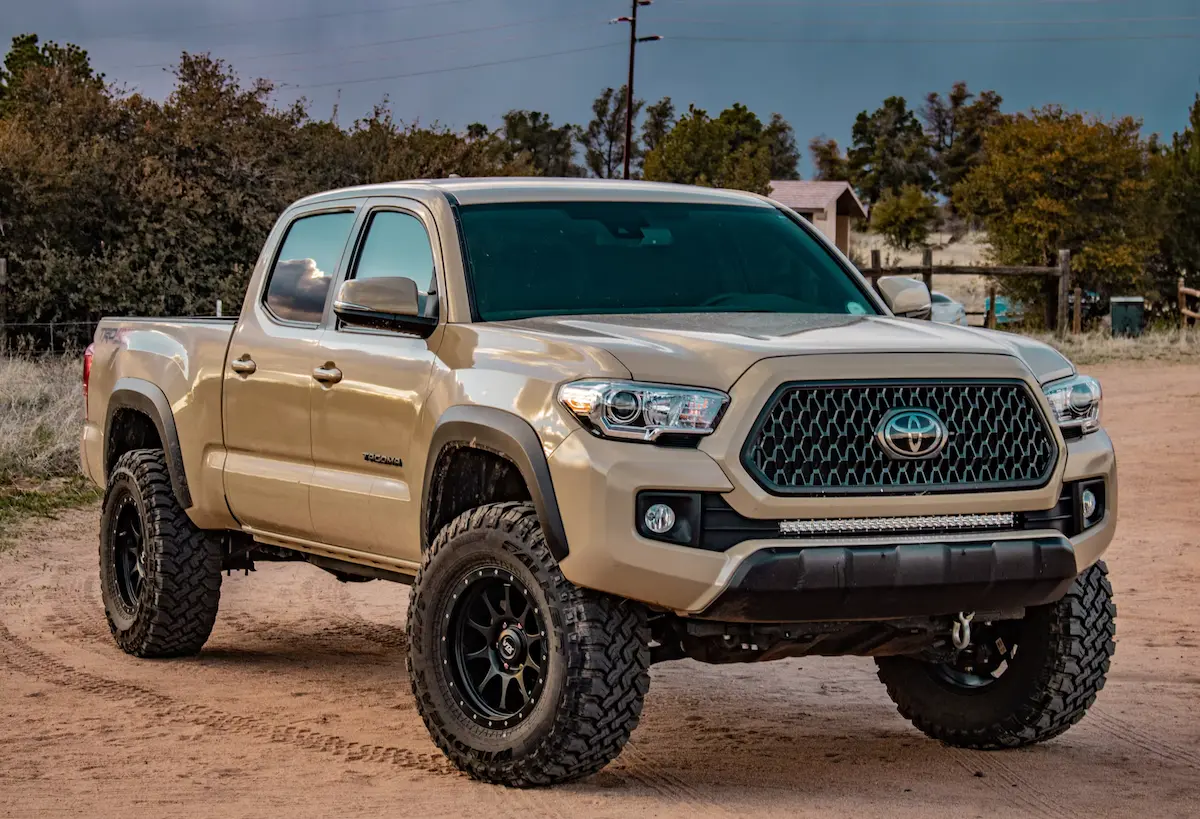
If you bought your Toyota new, it would’ve come with a 3-year/36,000-mile limited bumper-to-bumper warranty and a 5-year/60,000-mile limited powertrain warranty. Both are there to protect you from the cost of repairs resulting from factory or manufacturing defects in materials or workmanship.
That protection has a limited lifespan, and once it’s gone, the cost of repairs falls on you—unless you extend that coverage. That’s where a Toyota Vehicle Service Agreement (VSA) comes in. Here’s what you need to know about the program.
Before anything else, it’s important to know that there is an eligibility cap. If you bought your Toyota new, you have until the 3-year or 36,000-mile mark to extend coverage, whichever comes first. That coverage is effective from 0 miles or the date of first use.
In other words, if your odometer is at 35,900 miles within 2 years, you’ll need to act soon. If you’ve only driven 26,000 miles but you’re a month away from 3 years of in-service use, the window is almost closed.
There are some exceptions in the case of certified pre-owned (CPOs) and used Toyotas.
If you have surpassed the eligibility window and you want to extend your coverage, third-party plans are available. We’ll discuss those further down.
For eligible vehicles, Toyota offers three coverage tiers: Platinum, Gold, and Powertrain.
With any service contract, whether it’s manufacturer-backed or from a third party, be sure to read the contract itself when assessing coverage. It’s not engaging reading, but brochures and website copy tend to offer a general overview.
Covering up to 1,100 vehicle parts, this is Toyota’s most comprehensive extended-coverage option. Coverage terms range from 3 years/50,000 total vehicle miles to 10 years/125,000 miles.
However, “comprehensive” doesn’t mean total. There are certain items that won’t be covered, including:
This is only a small sample of exclusions. It’s also worth mentioning that the Platinum VSA doesn’t cover the hybrid vehicle battery pack, battery plug assembly, relay assembly, or supply battery assembly.
The middle tier protects about 55% of vehicle systems and parts. Its age limit is slightly different from Platinum in that coverage is capped at 8 years and 125,000 miles, as opposed to 10 years. Systems covered include:
Only certain items within each system are covered. Platinum covers the same systems, but it includes more parts in that coverage. Again, that’s why reading the contract itself is important.
This is the most basic of the three VSAs. Coverage is capped at 6 years/100,000 miles, which is only one extra year after the factory powertrain warranty lapses. The plan does, however, add 40,000 miles of protection. This can be useful if you’re a high-mileage driver and will reach the factory powertrain cap of 60,000 miles in under 5 years.
As with any powertrain plan, it covers only what you need to make your Toyota move:
As with any extended warranty, there are exclusions to Toyota’s VSAs. Many of them are standard, for example:
In addition, certain vehicles don’t qualify for a Toyota VSA:
Although you’ll see more generous terms with some manufacturer warranties, like Ford Protect, Toyota VSAs all come with certain benefits, including 24/7 roadside assistance.
Toyota also offers travel protection and substitute transport if you’re not able to drive because of the breakdown of a covered component. There are limits on those benefits. For example, reimbursements for car rentals or other substitute transportation go up to $50 per day for a maximum of 5 days.
Additionally, Toyota will reimburse up to $100 per day for lodging and meals if you’re more than 150 miles from home when the breakdown happens. That sounds good, but there’s a five-day limit, and that’s over the life of the agreement.
Receipts are also mandatory for reimbursement.
It can be. Considering that a Platinum VSA covers roughly 85% of vehicle components and is generally only $200 more than Gold coverage, it’s worth the investment if you’re going the extended-coverage route.
Part of what sets Toyota’s VSAs apart is that the plans build on each other in a piece-by-piece manner. Whereas other providers might throw in a whole system when you go to the next tier, Toyota adds components.
For example, both Gold and Platinum provide coverage for electrical components. The difference is in the number of items, with Platinum being more comprehensive. And because electrical components are the main concern for many drivers of newer Toyotas, it makes more sense to purchase Platinum for greater peace of mind.
As far as extended manufacturer warranties go, Toyota’s are decently priced. With that said, there’s not a concrete answer regarding whether Toyota VSAs are more affordable than third-party plans. Dealerships tend to inflate the price. Some may charge as much as $7,000 for a Toyota VSA you could find for half that online or through another dealer.
Plans tend to average about $2,500 for vehicles with under 36,000 miles. Quotes can be higher, and it’s important to remember that the vehicle’s specifications, as well as the terms of the contract, will shape the overall price.
A 10-year/125,000-mile Platinum VSA on a new Toyota Crown could cost $2,400. Meanwhile, a 2024 Toyota Venza could be priced at $1,250 on the Platinum tier with a 7-year/125,000-mile term.
The point is: Costs are variable, and you’ll need a quote particular to your vehicle, mileage, state, and contract terms to know what you’ll pay.
You can buy a VSA online through Toyota Financial Services, or you can purchase the contract at the dealership. It’s worth shopping around for quotes instead of accepting the first price you’re given. You can also try to negotiate a lower price with the dealership; having written quotes from other dealers can be useful for that purpose.
You can buy an official Toyota extended warranty for a used car, but there are eligibility requirements:
A word of caution: Be careful of dealers selling you an extended warranty without disclosing that it’s from a third-party provider. Check the contract and any other paperwork before signing it. Even buyers of new Toyotas have been caught out by salespeople misleadingly selling them third-party contracts when they thought they were purchasing an official Toyota product.
There is one final component of Toyota’s extended care to address before moving to a quick overview of third-party providers, and that’s Toyota’s CPO program.
For a used Toyota to be certified pre-owned, it must have undergone manufacturer-backed inspections (160, in Toyota’s case) and been refurbished to meet a certain standard.
There are two levels, and both come with a free Carfax vehicle history report.
Vehicles up to 6 years old with 85,000 miles or less on the odometer are eligible for this tier. In addition to more peace of mind knowing the vehicle has been inspected by factory-trained technicians, you’ll also get:
Vehicles up to 10 model years old that have 125,000 miles or less on the odometer are eligible for Silver certification. However, the plan excludes vehicles that are 6 model years old or newer with 60,000 miles on the odometer. Basically, the ones that qualify for the Gold tier.
In this case, you’ll get:
As far as CPO programs go, Toyota is generous in its eligibility requirements for the Silver Certified tier. It’s common for manufacturers to limit eligibility to vehicles that are under 5 or 6 model years and with 60,000–80,000 miles on the odometer.
Earlier, we touched on the key eligibility requirement to qualify for Toyota’s official extended coverage: You have to purchase the contract while your new vehicle is still under its comprehensive factory warranty.
There are two other cases where you might be able to acquire manufacturer-backed coverage: through a qualifying used vehicle purchased from a participating dealership or through a CPO. However, those plans are still capped, and many vehicles won’t qualify.
In that case, third-party protection becomes the only option. Eligibility isn’t the only reason you may prefer this route, though. If price and plan flexibility are deciding factors, then an independent provider may be preferable.
Here’s a quick comparison between Toyota VSAs and third-party providers:
Comparing extended-warranty companies can be a daunting task, but it doesn’t have to be.
If you want to get straight down to the numbers, you can go directly to the quote-comparison tool and check out plans your vehicle qualifies for.
For example, if you have a 2022 Toyota RAV4 with 52,000 miles on the clock, Chaiz will present 14 plans, starting at $66 a month and going up to $135 a month. From the results, you can assess coverage level, expert ratings, and price to see which plan is most beneficial for your needs.
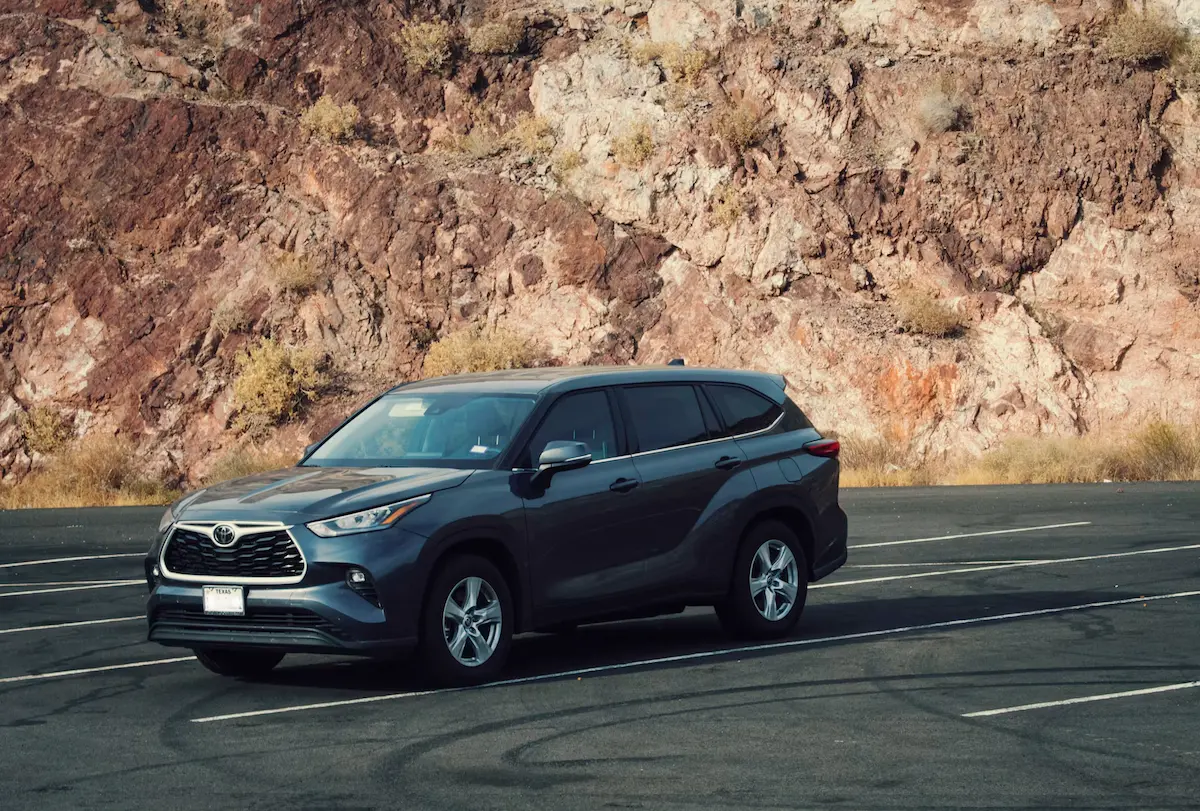
Which extended warranty is best for your Toyota depends on several factors. Firstly, you need to assess eligibility. If you’re over the 3-year/36,000-mile mark, you may have to source coverage from a third-party provider.
To check your warranty status, you can use a free VIN-based checker. That gives you a starting point. If you’re still under warranty, you have a wider pool of options.
These are the pros and cons to weigh up.
There was a time when an extended warranty on a Toyota was an instant no. That’s still the attitude among many consumers. For some models, it might be a safe bet. You could end up 160,000 miles into ownership and never have an issue. That’s what everyone hopes for.
But now that vehicles are computers on wheels, there are new considerations to take into account. Peace of mind, in some cases, can be worth the price of extended coverage, even if you never call up the claims department.

Live quotes in <10 seconds
Best-price guaranteed

5K+ customers trust us


