

.svg)
.svg)
.jpeg)

Learn how to make a car repair claim step by step. Understand the process, avoid delays, and know what to expect from approval to payment.
Learn how to make a car repair claim step by step. Understand the process, avoid delays, and know what to expect from approval to payment.
Most people don’t think about the claims process until something goes wrong.
At that point, you’re dealing with a breakdown, a repair shop, and a lot of uncertainty about what happens next. Questions come up quickly. Who do you call? Can the shop start working? What’s covered and what isn’t?
This stage is where small mistakes can turn into delays or unexpected costs.
The good news is that vehicle service contracts follow a clear process. When you understand how it works and follow the right order, claims tend to move smoothly. When that order gets skipped or rushed, problems start to show up.
This guide walks you through the process in a way that reflects how claims are handled in real situations, based on what actually happens between the repair shop and the administrator. While the process is generally consistent, steps may vary slightly depending on the provider and your specific contract.
Everything begins with where you take the vehicle.
You should bring it to a licensed ASE-certified repair shop. This isn’t just a preference. It’s a core part of how most vehicle service contracts are structured.
The repair shop does more than just fix the car. They’re the ones who figure out what went wrong and pass that information to the administrator so the claim can move forward.
At this stage, your responsibility is straightforward. You need to:
Once the vehicle is in the shop’s hands, they handle the technical side of the process.
If you’re unsure how coverage fits into all of these steps, it helps to understand what a vehicle service contract is so you know exactly how each party is involved.

Before a claim can move forward, the repair shop needs to determine what caused the failure.
This step is more than a quick inspection. The technician needs to identify the root cause, not just the visible symptoms. That’s because the administrator will review the claim based on the cause of the failure and whether it’s covered under the contract.
During this stage, the shop will:
This diagnosis becomes the foundation of the claim. If it’s incomplete or unclear, the administrator may request more information before making a decision.
It’s also important to understand that while diagnostics may be necessary, repair work should not move forward yet. The process is still in the evaluation stage.
One of the most common misconceptions is that the customer needs to file the claim.
In most cases, and as a standard process, that’s not how it works.
Once the issue has been diagnosed, the repair shop will contact the administrator and open the claim. They provide the technical details, explain what needs to be repaired, and answer any follow-up questions.
This is the standard process because the repair shop is best equipped to communicate the details of the failure.
You can still reach out to the administrator if you want guidance, but the shop is usually the one driving the process forward at this stage.
This is the step where most claims either stay on track or start going sideways.
Once the repair shop submits the claim, the administrator reviews the diagnosis and decides whether the repair is covered under your contract. Until that review is complete, the claim is still pending.
At this stage, the shop should pause and wait for approval before moving forward with anything beyond diagnosis.
That means they should not:
This step protects you as much as it protects the provider. It ensures the repair is actually eligible under your contract before any major work begins.
A lot of claim issues trace back to this moment. Work starts too early, approval hasn’t been given, and things get complicated quickly. Even if the repair would have been covered, skipping this step can still create problems.
Sometimes the shop won’t be able to confirm what’s wrong just by running diagnostics.
In some cases, the shop needs to take parts of the vehicle apart to confirm what’s actually causing the problem.
This part of the process is where you want to slow things down slightly and make sure everything is being handled properly.
Before the shop starts taking anything apart, they should be reaching out to the administrator for approval. That step matters. It protects you and makes sure the claim is being reviewed before any additional work is done.
Once approval is given, the shop can go ahead with the teardown to confirm the exact cause of the issue.
Where people get caught off guard is the cost side of this.
If the claim is approved, teardown related to the covered failure is typically included as part of the repair.
If the claim is denied, those inspection or teardown costs may fall back on you unless your contract states otherwise.
That’s why it’s always worth asking the shop, before they start, what happens if the claim doesn’t go through. A quick conversation upfront can save you from a surprise bill later.
Once the administrator approves the claim, the process becomes much more straightforward.
The repair shop will complete the approved work and coordinate with the administrator as needed. At this point, the repair is no longer being evaluated. It’s being executed within the approved scope.
For the customer, this is usually the least stressful part of the process. The earlier steps are where most of the uncertainty sits.
This is usually the part people stress about, especially when the repair bill is high.
Once the claim is approved, the provider will usually pay the repair shop directly. That’s the standard setup, so you’re not expected to cover the full cost upfront and then chase reimbursement afterward.
You’ll still have some out-of-pocket costs though. That typically includes:
There are exceptions. In some cases, you might be asked to pay first and then get reimbursed, depending on the provider or how the claim was handled. It’s not the norm, but it does happen.
Most of the time, though, the payment goes straight to the repair shop once everything has been approved.
If your vehicle can’t be driven, the process starts slightly differently.
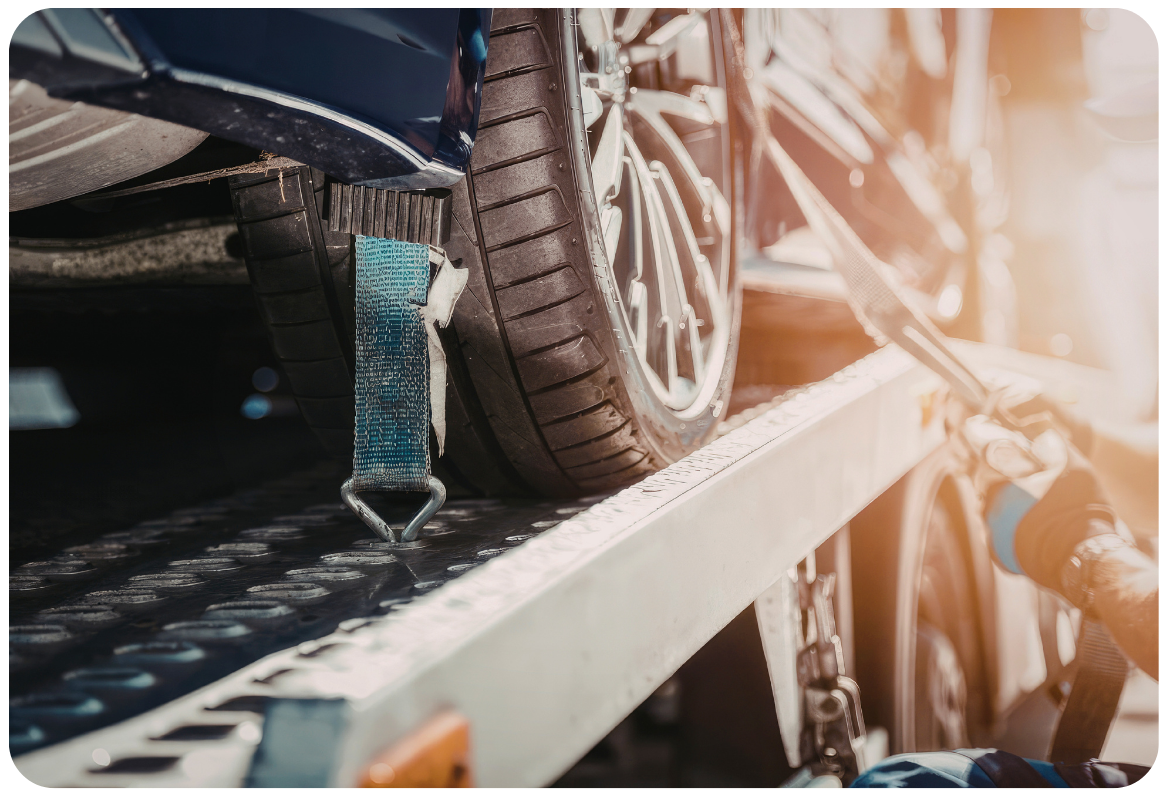
If your car can’t be driven, check your contract before arranging a tow. If towing or roadside assistance is included, you should contact the provider or administrator first whenever possible.
Doing this helps ensure:
If the situation is urgent, you can have the vehicle towed to a licensed repair shop and notify the administrator afterward. The priority is getting the vehicle to a qualified location where the process can begin.
Repair shops don’t usually need to be approved in advance.
What matters is that the shop is a licensed ASE-certified facility and can work through the claims process effectively.
A suitable repair shop should be
Administrators approve claims, not shops. As long as the facility is legitimate and able to follow the process, they will typically work with it.
Most issues in the claims process aren’t caused by lack of coverage. They come from steps being skipped or handled incorrectly.
These are the situations that most often lead to delays or denials:
If you’re trying to understand how to fail a claim, it usually comes down to one of these situations. Each one interrupts the process and creates uncertainty about how the claim should be handled.
When each step is followed in the correct order, the claims process works the way it’s intended to.
The repair shop handles the diagnosis and communication. The administrator reviews and approves the claim. The repair is completed within the agreed scope.
When steps are rushed or skipped, that structure breaks down.
That’s why understanding how vehicle service contracts work in practice is just as important as having the coverage itself.
If you’re comparing coverage types or trying to understand where insurance fits in, this guide on car warranty vs. car insurance can help clarify the difference.
The process itself is pretty straightforward, it just needs to happen in the right order.
You take the car to a licensed ASE-certified repair shop, they figure out what’s wrong, contact the administrator, and then wait for approval before doing any repairs.
That’s really how it works in most cases.
If you’re trying to understand how coverage is set up or what different plans actually include, you can check options directly on the Chaiz search tool. It gives you a clearer idea of what’s covered before you ever end up needing to file a claim.
As long as the steps are followed properly and nothing gets rushed, the whole process is usually much easier to deal with.

Live quotes in <10 seconds
Best-price guaranteed

5K+ customers trust us


