

.svg)
.svg)

Buying a used car? An extended warranty can be an asset. Find out when it's worth it, at what age vehicle repairs escalate, and more.
Buying a used car? An extended warranty can be an asset. Find out when it's worth it, at what age vehicle repairs escalate, and more.
According to Technavio, an industry-leading market research firm, the used-car market in the United States is expected to increase by $31.7 billion from 2025 to 2030.
With that much growth in the pipeline, more and more drivers will be asking themselves the same question: Should I buy an extended warranty on my used car?
There is a strong argument for why you should purchase extended protection: Repairs get more expensive as vehicles age, and even the most reliable makes and models become more costly to maintain past the eight-year mark.
The question isn’t necessarily whether you should purchase an extended warranty, but rather when and where.
There can be a lot of confusion about terms when discussing extended warranties—which are technically vehicle service contracts.
There also tends to be a lot of confusion between factory-backed extended warranties and service contracts provided by third-party providers. For now, we’ll be referring to extended warranties in a general way: as an optional contract that covers the cost of specified vehicle components in the event of a breakdown.
Later, we’ll draw a clearer distinction between factory-backed and third-party contracts.
There are times when you’re better off buying an extended warranty, even if the chances of using it are slim. In other circumstances, it might be okay to give it a skip. These are some of the key considerations to take into account.
A vehicle that’s eight years or older has a higher risk of major repairs. Similarly, the closer you get to the 100,000-mile mark, the more the repair curve tends to spike.
When you buy a new car, you have more time before you have to worry about that.
With a used car, it’s a different story. Purely based on age and mileage, the vehicle might be at higher risk of needing costly repairs.
On the other hand, if you buy a used vehicle that’s under five years old and has low mileage, you may not need to purchase an extended warranty right away.
How you drive and how often you drive impact whether you should purchase an extended warranty on a used car. If you’re on the road every day and rack up over 15,000 miles annually, it’s at least worth exploring your options.
If your car is mostly going to be in the garage and driven only now and again, you could stay in the “maybe” camp.
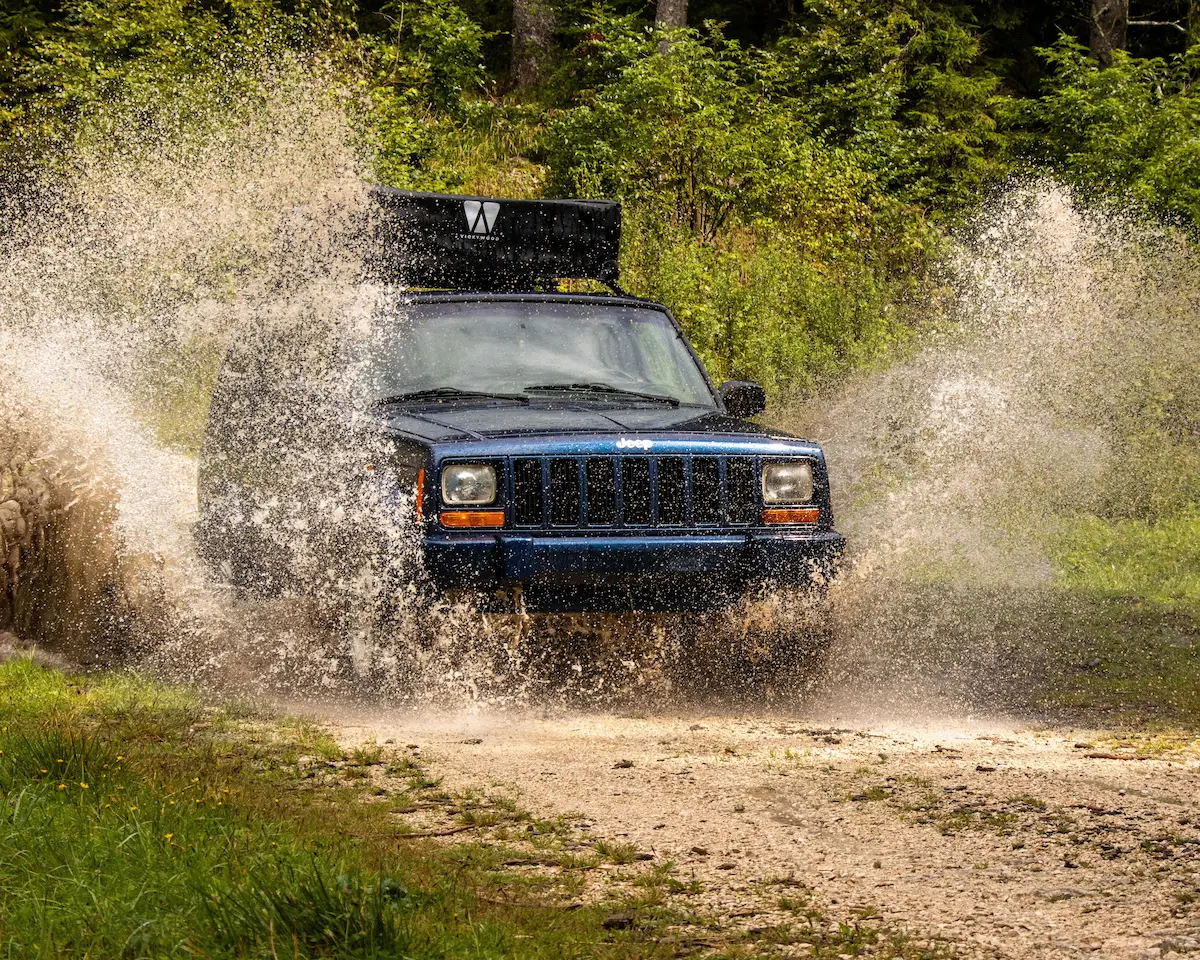
Say you’ve driven off the lot with a 2020 Nissan Rogue. The cost of maintaining that car, as well as the overall reliability, is very different compared to that of a 2023 Jeep Cherokee.
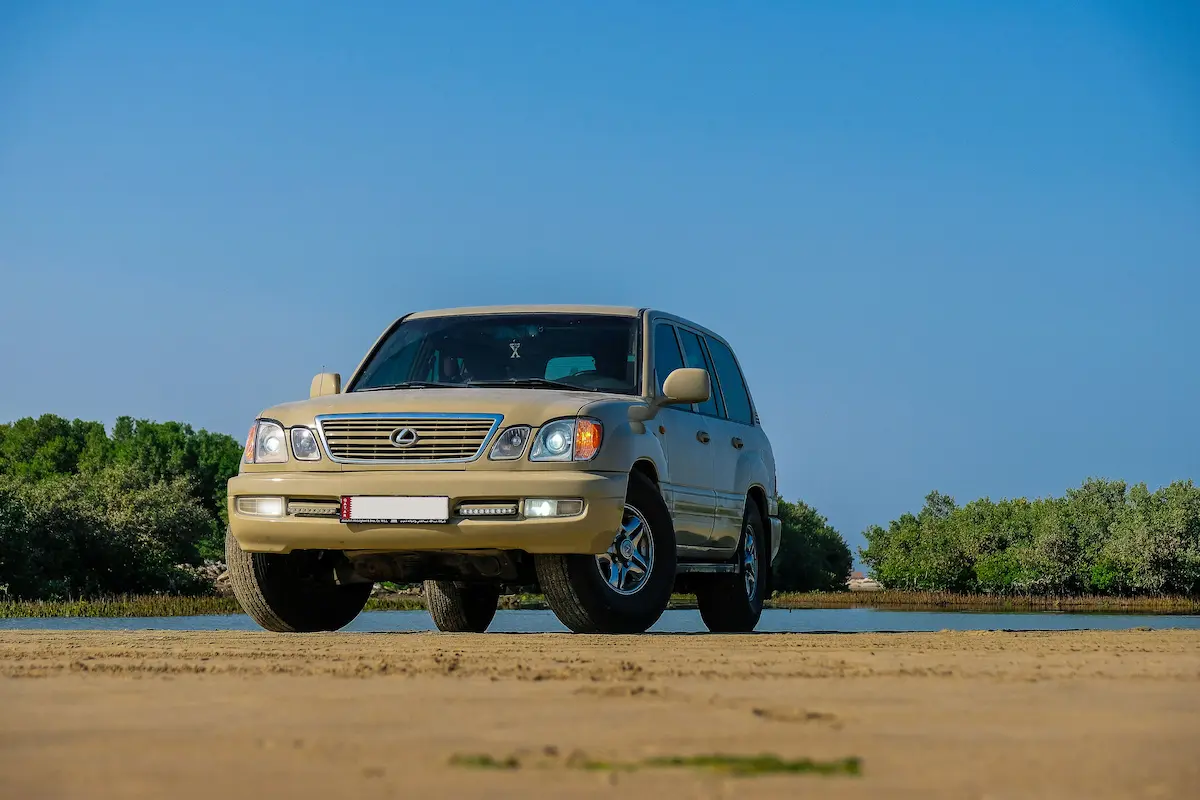
Make plays a role, and you’ll often be advised to invest in a brand known for its high reliability, like Toyota or Lexus, and skip the warranty.
However, that advice misses an important point: Some brands have inconsistent reliability across their model lines. That means you should research the brand as well as the particular model year.
Certified pre-owned (CPO) vehicles are a bit different. These cars undergo rigorous inspections conducted by factory-trained technicians. They also typically come with manufacturer-backed warranties that extend the terms of the original new-car warranty.
Because CPOs have to meet such high standards, and because they usually come with extended protection, you can usually give a third-party warranty a comfortable miss for the first few years of ownership.
Consider how long you plan to own the car. If you’re not likely to keep it for more than a year or two, paying for an extended warranty might be an unnecessary expense.
When making that decision, consider how old the car already is and how many miles are on the clock. A 12-year-old, 130,000-mile car is more likely to need major repairs within a year or two, even if you won’t own it for an extended period.
If you’re likely to be driving a used car for a long time, and if it’s going to hit significant age and odometer milestones in that time, extended coverage is a good idea.
When you’re the first owner of a vehicle, you don’t have to worry about a previous owner’s driving habits or whether they followed the maintenance schedule.
With a used car, it’s a more complicated equation, and you don’t have access to every variable.
There are tools available to gain some insight. These are some examples:
These are a few other factors to bear in mind when deciding whether an extended warranty on a used car is the best option for you.
Although there are general benchmarks for when vehicles become more prone to breakdowns, driving habits can speed up the timeline. With a used car, you don’t know how the previous owner(s) used the car.
The mileage may be decent, everything may look good, and the test drive may have gone smoothly. But one month later, you could be cruising down the highway, making your way to work, and suddenly you smell burning.
How were you to know that the previous driver busted the transmission because they were towing extreme loads every other weekend?
A car that goes in for maintenance bang on schedule is likely going to be less problematic than one that’s only seen the mechanic once in five years. If you drive a used vehicle with a history of postponed maintenance, there’s a higher risk of breakdowns from compounding issues.
IMR conducted a study on delayed routine vehicle maintenance, and the findings show that 7.9% of consumers defer maintenance.
The groups most likely to delay maintenance are used-car owners, owners of vehicles aged eight and older, and Millennials.
The two most common reasons for postponements are not being able to find a convenient time for maintenance (33%) and the cost of the repairs being too high (30.3%).
These are problems most of us can relate to, but they become your problem when you purchase a vehicle that hasn’t been properly maintained for years.
Earlier, we addressed that age and mileage tend to affect the likelihood of major repairs.
The most practical question you can ask yourself is whether you’d be able to afford an $8,000 engine replacement out of pocket, and with no notice. Your answer to that question may be all you need to help determine whether you should buy an extended warranty on your used car.
Repair costs rise slowly at first. Between 50,000 and 75,000 miles, the average annual maintenance cost is around $610. Cut to the 100,000-mile mark, and that amount can range closer to $2,000.
These are a few of the factors that go into the price leap:
While older cars have their cost contributors, “newer” cars aren’t necessarily cheaper to repair. Electronics and high-tech components complicate the repair process and can be costly.
If you’re still in the purchase stage, or even if you already own a used vehicle, do some research. Look up the problems the model often has, then look up what those repairs might cost. That can help you weigh up whether the extended warranty is worth it or not.
After five years of use, maintenance can become unpredictable, and event-based repairs become more common. Then, from the eight-year mark, the probability of repairs spikes, and those repairs aren’t cheap.
You might get a few more years of use out of a reliable brand like Lexus, but even these models can cost a significant chunk of change to repair, with engine replacements ranging from $6,000 to $9,000 or more.
These are some of the repairs that crop up most often for higher-mileage vehicles. The estimate costs are ranges, not concrete sums, and prices will vary by location and based on labor costs:
Years in service is one milestone, but mileage also influences how quickly those major repairs come. A vehicle that’s about five or six years old but has close to 100,000 miles on the odometer might need a transmission or suspension repair sooner.
We’ve spoken a lot about when and why an extended warranty can be worth it for a used vehicle, but we haven’t addressed the types of warranties you can consider.
There are two primary options, but with a used car, you might not have access to both.
If a used vehicle is still under factory warranty, you may have the option to extend that coverage. The conditions will vary depending on the provider. A common term for a limited bumper-to-bumper warranty is 3 years/36,000 miles, but some manufacturers provide a longer time and mileage term.
You can check whether your car is still under factory warranty with Chaiz’s free VIN-lookup tool. All you need is your VIN, state, and mileage. If the warranty is still active, you may be able to purchase a factory-backed extended warranty.
Depending on how old the car was (and the mileage) when the owner sold it, this might not be a possibility. However, if the previous owner took out extended factory coverage, the VIN lookup can show whether that is still active.
The mileage cutoff for an extended factory warranty differs across manufacturers. For example, Toyota caps coverage at 10 years and 125,000 miles. Meanwhile, Ram has a 10-year/100,000-mile end point.
If the factory warranty has lapsed before you or the previous owner purchased extended coverage, you’ll have to look at third-party providers. In many cases, this can be the more flexible and more affordable option because you can tailor the terms more so than with many factory-backed plans.
In the case of third-party providers, protection is available for cars up to 150,000 miles. Some, like Omega and Endurance, provide coverage up to 200,000 miles or more.
With that said, coverage on higher-mileage vehicles might be more limited. Instead of comprehensive bumper-to-bumper protection, you may only be able to get powertrain or stated-component coverage. The terms may also be shorter, and providers may want to take a close look at your maintenance records.
Many drivers decide to skip the warranty and self-insure themselves. That is an option, but it’s not foolproof.
The typical framework is to open a dedicated savings account and transfer money toward an emergency fund every month. For all intents and purposes, this is a sound strategy.
You’re not paying a third party, so you’re not “throwing away” money. As a bonus, you’re still in possession of that money if you never have a breakdown.
There is a “however” attached to that strategy.
For the savings fund to work and help you out in a jam, you’ll need to be disciplined about setting aside money every month. Either that, or you should have the available funds to pay for a major repair out of pocket.
You know yourself best. What will be easiest: Prioritizing the savings fund even when other expenses crop up, or a fixed monthly payment?
You don’t have to buy an extended warranty at the same time you purchase your used car.
It’s a common scenario: You’re in the dealership’s finance office, excited about your new purchase, trying to make sense of all the numbers and terms, and then you get hit with another decision.
Here’s what to know: You don’t have to decide to purchase extended coverage in that moment, and you don’t have to purchase the contract from the dealership.
Many vehicle owners confuse dealership warranties with factory warranties
Franchised dealerships are authorized to sell manufacturer-backed extended warranties. Independent dealerships will typically sell third-party service contracts.
If your vehicle’s factory warranty is still active, it can be a good idea to first shop around for a manufacturer’s extended warranty. With certain brands, like Ford or Honda, you may find that the manufacturer’s protection plans are more affordable than most third-party providers.
These plans have benefits, like repairs being performed by factory-trained technicians, and claims can be easier. The downside is that maintenance rules can be very strict, and plans can be more expensive than third-party options.
As a used-car driver, the reality is that this might not be an option because the factory warranty may have already lapsed.
The warranty you’re getting on a 2018 Ford F-150 from Bob’s Used Car Lot won’t be an official Ford Protect product.
It might be a great warranty, but it could also be a not-so-great one that excludes the parts you most need covered. That’s one of the reasons why you should first read through a sample contract and understand the terms of coverage—including the refund and cancellation policies—before you sign anything.
The important thing to know is that what the dealership offers is not your only option, and you have time to make a measured decision. For a better idea of what’s out there, you can give Chaiz’s comparison tool a try. There’s no pressure to purchase, and you don’t have to worry about spam following you around.
Here’s a question to really think about: Can you afford to be without your car for an extended period? Modern American society is dependent on car travel, and many of us rely on our vehicles to make a living.
Extended warranties come with all sorts of downsides. You might never log a claim. It can be difficult to tell the scam companies from the legit ones. Contracts can be difficult to interpret, and exclusions may be buried so far in the fine print that you need a magnifying glass to find them.
Those problems exist. But a transparent contract from a vetted provider can be a financial lifesaver for used-car owners.

Live quotes in <10 seconds
Best-price guaranteed

5K+ customers trust us


