

.svg)
.svg)


Luxury car repairs are costly. Learn what coverage you need, common failures, real repair costs, and how to compare plans.
Luxury car repairs are costly. Learn what coverage you need, common failures, real repair costs, and how to compare plans.
Owning a luxury car feels different from owning a regular one. It usually shows up in small ways first. The cabin stays quieter at higher speeds, the electronics respond with less delay, and the ride quality feels smoother because the suspension is doing more work behind the scenes. Brands like BMW, Mercedes, Audi, Porsche, Lexus, and Tesla design their cars with a lot of attention to detail. You start to notice that once you spend enough time with the vehicle.
The tradeoff is that these same systems cost more to repair. Air suspension parts, turbo units, high-voltage wiring, hybrid equipment, and EV batteries all require specialized technicians and tools. As mileage increases, the price of keeping a luxury car in good condition can rise faster than most drivers expect.
This is why many owners look for the best warranty for luxury cars once the factory plan ends. Good coverage helps manage high repair costs, protects the advanced systems inside the vehicle, and makes long-term ownership easier to plan for. Whether your car is gas, hybrid, or fully electric, the right warranty reduces stress and keeps the vehicle performing the way it was meant to.
Luxury vehicles depend on advanced hardware and intricate electronics, so their protection must be equally comprehensive. A luxury car extended warranty should address the systems that fail most often and the parts that cost the most to repair.
Exclusionary protection is considered the most complete coverage tier for high-end vehicles. Instead of listing every covered component, the contract lists only what’s not covered. Everything else is included. This feature is especially important for luxury cars that rely on systems such as adaptive air suspension, multi-zone climate control, turbocharging, digital interfaces, hybrid technology, and large infotainment displays.
For these reasons, exclusionary coverage is usually the foundation of the best warranty for luxury cars.
Modern luxury cars contain dozens of electronic modules working together. You’ll find high-resolution screens, radar sensors, camera arrays, advanced audio processors, digital climate systems, and night-vision units. When even one part of this network fails, diagnosing and replacing it can be expensive.
A strong extended warranty for luxury vehicles should include full electronics coverage. This kind of protection is especially important for brands with deeper digital integration, such as:
• Audi warranty plans
• Porsche warranty plans
• Lexus warranty plans
• Tesla warranty options
Many luxury manufacturers use turbocharging, hybrid technology, or fully electric systems. These platforms perform well but introduce higher repair complexity as mileage increases. Turbo assemblies, battery cooling systems, hybrid drive motors, inverters, and high-voltage components are some of the most expensive parts to replace.
A strong high-end vehicle warranty should include all major turbo, hybrid, and EV components. If you want a clear explanation of how these systems are protected, the guide on understanding EV warranty options breaks it down in detail.
Luxury cars are built with parts and systems that need very specific tools and training. If a shop uses the wrong software, low-quality parts, or outdated equipment, the car can develop new problems later. That’s why most owners look for the best warranty for luxury cars that gives them access to repair facilities approved to work on these vehicles.
Shops that use proper OEM methods are better equipped to keep a luxury car performing the way it should, especially on models with complex electronics or hybrid and electric systems.
Luxury vehicles sometimes spend more time in the shop because diagnostics and parts sourcing can take longer. Roadside assistance, towing, and rental coverage help you stay on the road while your car’s being worked on, so you’re not stuck without transportation. And if you’re comparing this type of support to insurance, the guide on car warranty vs. car insurance breaks down the difference in a simple way.

Luxury vehicles can last for hundreds of thousands of miles when maintained well, but certain systems fail more frequently due to complexity and stress.
Air suspension provides unmatched smoothness, but it relies on compressors, air struts, height sensors, solenoids, and hoses that wear down over time. Replacing these parts can cost thousands, especially in large SUVs. This is why a lot of owners get luxury SUV warranty coverage early on in their ownership.
Turbochargers operate under extreme heat and pressure. If oil flow becomes restricted or bearings wear out, the turbo can fail suddenly. Replacing a turbo on a performance model is one of the more expensive repairs luxury owners face.
Luxury cars use a lot of technology to run their safety and driver assistance features. Cameras, radar units, and sensors sit in places that deal with heat, vibration, and moisture, so they can wear out over time. When these parts are replaced, the system usually needs calibration, which adds more labor and cost.
This is one of the reasons many owners look for the best warranty for luxury cars, since strong electronics coverage helps manage these repairs as the vehicle ages.
Luxury cars run hotter than standard models because their engines and electric drivetrains work harder. Parts like electric water pumps, radiators, thermostats, coolant valves, and battery cooling loops can wear out as the vehicle gets older.
When problems start in the cooling system, repairs can add up quickly, which is why many owners look for the best warranty for luxury cars to help cover these kinds of failures.
Some luxury cars use dual-clutch gearboxes or advanced automatic systems that shift quickly and handle more power than standard transmissions. They work well when they’re new, but they also need very specific service as the vehicle gets older.
Once these units move past their factory protection, repairs can become expensive, which is why many owners look for a high-end vehicle warranty that helps cover transmission issues as the car ages.
Hybrid and EV batteries are durable but costly to replace. Even partial failure in cooling systems or high-voltage hardware can lead to major expenses. This is one reason many premium owners explore an exotic car warranty for long-term confidence.
Based on current U.S. repair data from automotive service publications, industry repair studies, Cars.com repair reporting, and RepairPal estimates, typical luxury car repair costs include:
• Air suspension repairs: 2,000 to 8,000 dollars or more
• Turbocharger replacement: 3,500 to 8,000 dollars or more
• EV or hybrid battery replacement: 3,000 to 20,000 dollars
• Infotainment system repairs: 1,500 to 4,500 dollars
• Transmission repairs: 4,000 to 12,000 dollars
• ADAS sensor or camera replacements: 800 to 3,500 dollars
These higher repair costs come from:
• OEM part requirements
• Specialist labor rates
• Extensive diagnostic steps
• Multi-stage calibrations
• Tooling specific to luxury brands
This is why more drivers seek the best warranty for luxury cars as their vehicles age. If you want a deeper look at how protection reduces long-term expenses, the article explaining the financial benefits of extended auto protection is a useful resource.
A strong high-end vehicle warranty should offer:
• Exclusionary coverage
• Suspension and electronics support
• Access to OEM-approved repair facilities
• Hybrid and EV system coverage
• Roadside assistance and rental benefits
These features provide the broadest protection for premium models.
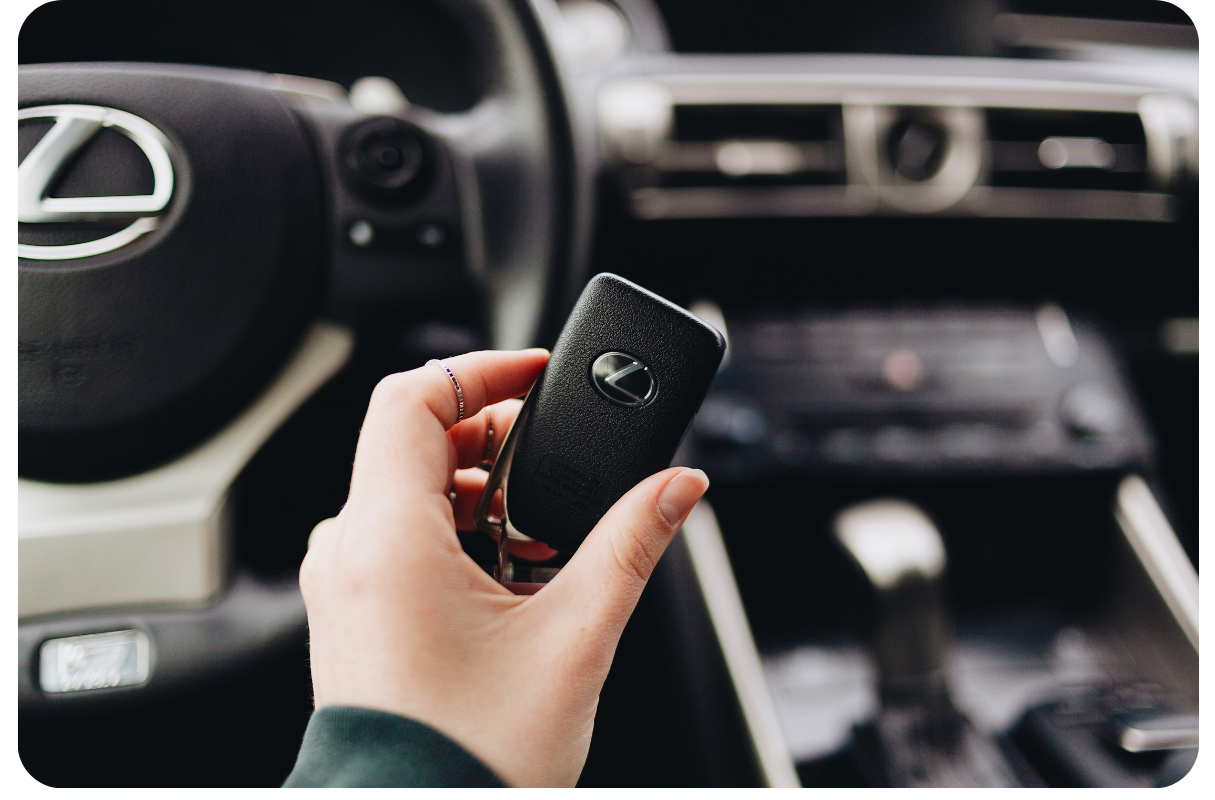
Not every contract is designed to support advanced luxury engineering. When you compare luxury SUV warranty coverage or plans for high-end sedans and performance models, there are a few things you should skip completely.
Lower-tier plans usually don’t cover the electronics, suspension parts, cooling components, or safety systems that luxury cars rely on. Those gaps become expensive later, which is why most owners look for the best warranty for luxury cars instead of choosing something that omits the features their vehicle actually depends on.
Luxury vehicles rely on far more than just engines and transmissions. Modern systems require broad coverage.
Dealership plans can be costly and frequently restrict the location of repairs.
Choosing the best warranty for luxury cars is one of the most reliable ways to protect your investment as your vehicle ages. These plans help maintain performance, manage expensive repairs, support turbo and hybrid systems, and protect the extensive electronics that define modern luxury engineering.
You can compare quotes and coverage levels in one place on Chaiz, giving you a clear view of which plans work best for your lifestyle and your vehicle.

Live quotes in <10 seconds
Best-price guaranteed

5K+ customers trust us


