

.svg)
.svg)

Discover how to spot if an odometer has been rolled back with our guide. Learn about odometer fraud signs and the importance of vehicle history reports.
Discover how to spot if an odometer has been rolled back with our guide. Learn about odometer fraud signs and the importance of vehicle history reports.
A used car with low mileage can feel like a great find. It looks cleaner, sounds better on paper, and usually comes with a higher price tag for a reason. However, the number displayed on the dashboard may not always be accurate.
An odometer rolled back is one of the most common forms of vehicle fraud in the U.S., and it’s getting worse. In fact, if you don’t know how to tell if an odometer has been rolled back, it’s easy to miss the warning signs entirely. Millions of cars on the road today have had their mileage altered. Most buyers never realize it until something goes wrong far sooner than expected.
That’s why understanding odometer fraud matters. Not just in theory, but in a way that actually helps you avoid a bad deal when an odometer-rolled-back situation slips through unnoticed.
Mileage drives almost every decision in the used car market. Price, perceived reliability, and expected maintenance all hinge on it. Once that number is manipulated, everything else becomes unreliable, especially when an odometer is rolled back without any obvious signs.
Odometer fraud happens when someone changes a vehicle’s mileage to make it appear lower than it really is. This is usually done to increase resale value or make a car seem like it has less wear.
According to the National Highway Traffic Safety Administration, odometer fraud is a crime under federal law, and sellers are required to disclose accurate mileage during a vehicle sale. A car that looks like it has years of life left might already be much closer to major mechanical issues than expected.
When an odometer is rolled back, buyers aren’t just overpaying. They’re making decisions based on false information that can lead to costly repairs much sooner than expected.
This isn’t something limited to older cars with mechanical dials. In many ways, it’s become easier to roll back odometer readings without leaving obvious traces.
Sellers looking to roll back odometer readings may:
The increase in rolling back odometer cases isn’t random. The tools are more accessible, and the used car market is competitive enough that some sellers take shortcuts. In other words, knowing how to find out if an odometer has been rolled back is becoming more important with every passing year.
If mileage can be altered, you need a way to verify it independently. That’s where a vehicle history report becomes essential, especially when trying to confirm whether an odometer-rolled-back situation is likely.
A vehicle history report pulls together mileage data from different points in a car’s life. It typically includes records from DMVs, inspections, service visits, and insurance events. When those entries don’t line up, it can point to a rolled back odometer.
A detailed vehicle history report can help you answer questions you won’t get from a listing or a test drive.
It shows:
If you’re trying to figure out how to find out if the odometer has been rolled back, this is where you start. It’s often the fastest way to catch patterns linked to a rolled back odometer before you commit.
A rolled-back odometer rarely comes with a clear warning. It usually shows up through small inconsistencies that don’t quite make sense, especially if you’re unsure how to tell if an odometer has been rolled back in the first place.
Start with the condition of the car.
Mileage and wear should match. When they don’t, it’s worth paying attention.
Look for:
None of these confirm anything on their own, but together they build a picture that often points to an odometer-rolled-back scenario or at least raises the question about its accuracy.
Paperwork often tells a more accurate story than the car itself.
Watch for:
The National Insurance Crime Bureau highlights that odometer fraud remains a widespread issue, and because mileage can be manipulated without obvious signs, inconsistencies in vehicle records can be an important warning signal when evaluating a vehicle.
Most buyers reach a point where something feels off but can’t quite explain why. That’s where a more structured approach helps.
If you’re wondering how to tell if an odometer has been rolled back, focus on consistency across records rather than one single detail.
Check:
How you tell if the odometer has been rolled back usually comes down to whether the timeline makes sense. Mileage should never go backward, and even small discrepancies can point to a rolled back odometer.
When you want a clearer answer, bring in a professional.
Mechanics can:
The Federal Trade Commission recommends getting a vehicle inspected by an independent mechanic before buying, since a vehicle history report alone may not reveal hidden issues. It’s often the most reliable way to confirm whether an odometer rolled back has been missed during initial checks.
If something doesn’t add up, trust that instinct. It’s better to slow things down than deal with the fallout later.
If you believe an odometer-rolled-back situation is likely, report it.
You can contact:
Acting early gives you a better chance of protecting yourself and prevents a rolled-back odometer case from affecting other buyers down the line.
Selling a car with a rolled back odometer isn’t something that just gets brushed off if it’s discovered later. It usually turns into a much bigger issue, especially once a buyer realizes the mileage doesn’t line up with the condition of the car.
At that point, it’s no longer just a bad sale. It falls into odometer fraud, and that can open the door to real consequences depending on what can be proven.
In practice, it can play out in a few different ways, depending on how serious the situation is:
A lot of these situations come down to what can actually be proven. Whether the seller knew, should have known, or ignored obvious signs tends to shape how far things go. That’s where things like service records, previous listings, and inspection history start to matter a lot more than people expect.
Regulators like the Federal Trade Commission can get involved when there’s evidence that a buyer was misled, especially if the rolled back odometer played a role in the sale.
A rolled back odometer doesn’t just affect what you pay upfront. It changes how the car behaves over time.
Mileage influences:
If that number is wrong, your expectations will be too, especially if you didn’t catch that the odometer was rolled back before buying. This is exactly why knowing how to find out can save you from long-term costs.
Planning for that uncertainty matters. Even when everything looks fine, unexpected repairs can still happen. Options like coverage built for commuters and high-use drivers can help manage unexpected repair costs, even when a vehicle’s condition isn’t what it initially appeared to be.
It’s also worth understanding your rights. This overview of how vehicle protection laws work in the U.S. gives useful context if something goes wrong after purchase.
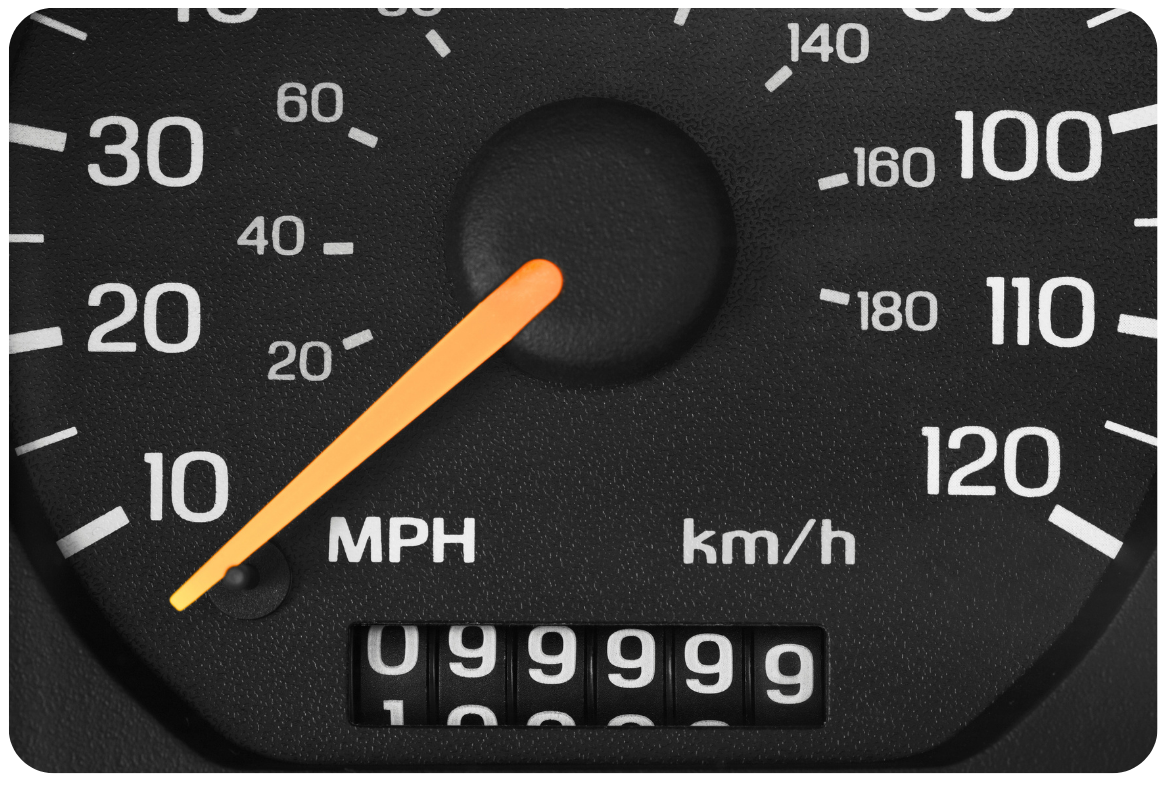
A car with an odometer rolled back is built to pass a quick inspection. On the surface, it looks like a solid deal. Lower mileage, cleaner history, fewer concerns. Once you look closer, that’s where the cracks start to show.
The reality is that a rolled back odometer shifts all the risk onto the buyer. You’re paying based on one set of expectations, while the car operates on another. That gap is where unexpected repairs, higher maintenance costs, and frustration tend to show up.
If you’re trying to protect yourself from odometer fraud, it comes down to slowing the process down and verifying what you’re being told.
Make sure you:
If you’ve ever wondered how to tell if an odometer has been rolled back, it’s rarely one obvious sign. It’s usually a pattern of small things that don’t quite line up.
Once you’ve bought the car, there’s no easy reset. The mileage, accurate or not, becomes your reality to deal with.

Live quotes in <10 seconds
Best-price guaranteed

5K+ customers trust us


