

.svg)
.svg)
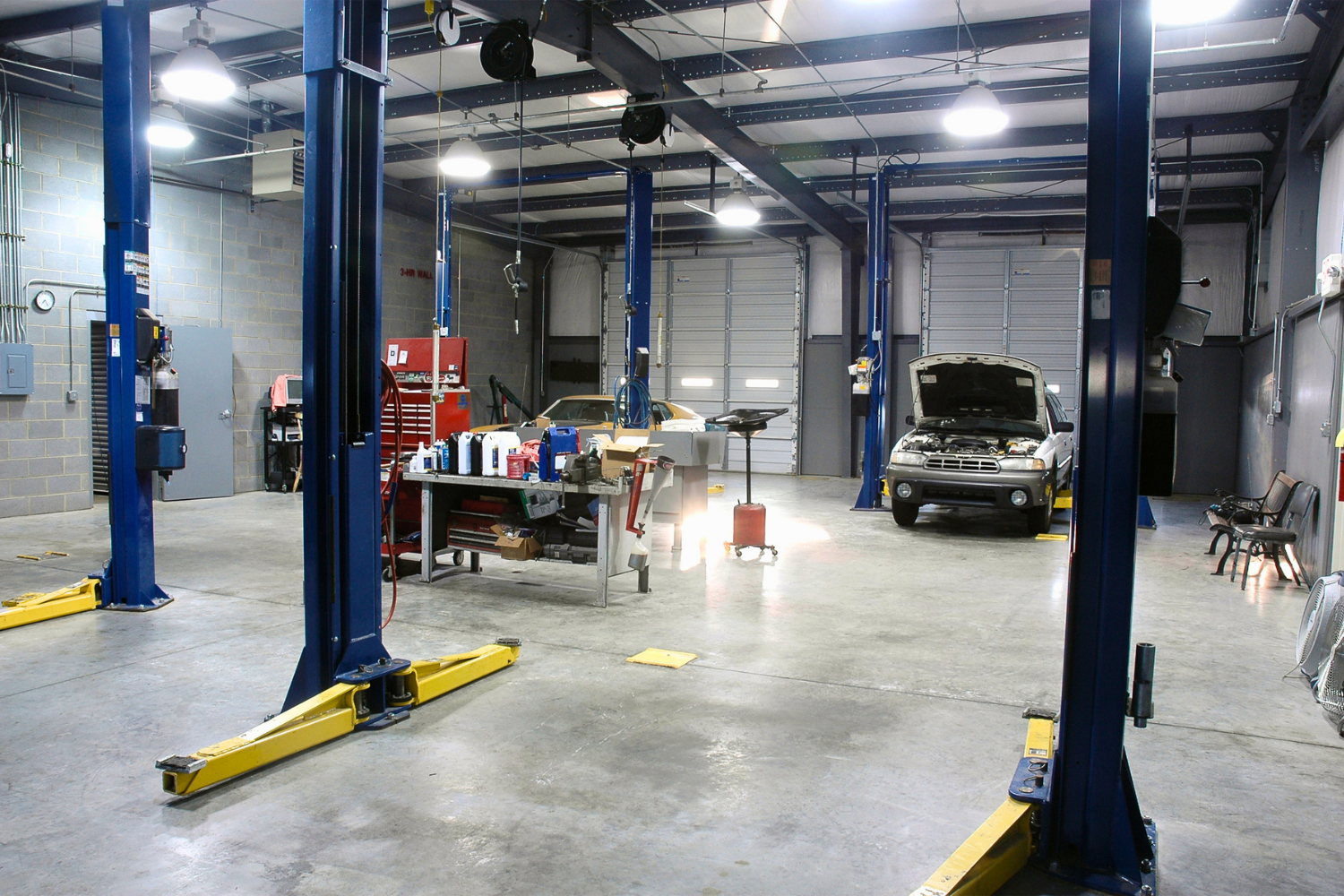

Car repair costs in 2026 are rising faster than expected. Learn what’s driving the increase and how to protect your budget from expensive breakdowns.
Car repair costs in 2026 are rising faster than expected. Learn what’s driving the increase and how to protect your budget from expensive breakdowns.
Car repair costs in 2026 don’t feel like they used to. What used to be a manageable inconvenience now feels like a financial decision you didn’t plan for.
It’s not just perception. It’s backed by real data. The American Automobile Association breaks down how ownership costs have shifted in its report on what it costs to own and operate a car, showing steady increases across maintenance, repair, and tire expenses.
At the same time, repair pricing itself has been climbing. Labor costs are higher, parts are more expensive, and modern vehicles often require more specialized diagnostics and repair work than they did a few years ago.
That gap is where the pressure shows up.
A repair that used to be annoying now forces a decision. Fix it, delay it, or figure out how to cover it without throwing everything else off. For a lot of drivers, that’s where budgeting for car repairs starts to break down.
If you’re trying to understand why this is happening and what you can do about it before the next bill hits, you’re asking the right questions.
There used to be a more predictable rhythm to car ownership.
You handled routine maintenance, replaced wear items when needed, and occasionally dealt with a larger repair. Most drivers could roughly anticipate what ownership would cost from year to year.
That’s changed.
Budgeting for car repairs now feels harder because the gap between a manageable fix and a serious repair bill has gotten much wider. Even relatively common problems can turn expensive quickly once labor, diagnostics, and modern vehicle systems are involved.
Drivers are now dealing with:
That unpredictability is what catches people off guard.
One month it’s a routine service visit. The next, you’re researching what does a vehicle service contract cover because a repair estimate suddenly feels a lot harder to absorb than it would have a few years ago.

Auto repair inflation isn’t coming from one single issue. Several costs have been climbing at the same time, and drivers are feeling the impact all at once.
Parts are more expensive than they used to be. Labor rates are higher. Modern vehicles also take longer to diagnose and repair because so many systems now rely on electronics, software, and sensors.
The numbers reflect that shift. According to RepairPal, the average annual repair cost across vehicle brands can range from a few hundred dollars to well over $1,000 depending on reliability and repair frequency.
That’s part of why auto repair inflation feels so noticeable now. Repairs that once felt manageable can escalate quickly once diagnostics, labor, and parts are added together.
When people search for “average car repair costs in 2026”, they’re usually trying to figure out what “normal” looks like now.
The reality is that average car repair costs in 2026 vary widely depending on the type of repair and the vehicle.
You’re looking at:
What makes average car repair costs 2026 harder to deal with is how unpredictable they’ve become.
If you want a deeper breakdown, this guide on 100k mile car maintenance costs explains how these numbers show up over time.
The takeaway is simple. The older your vehicle gets, the more likely you are to face the kind of bills that define average car repair costs in 2026 today.
An emergency fund still matters. It’s a core part of budgeting for car repairs.
But an emergency fund car-repair strategy only goes so far.
A lot of drivers set aside a few hundred to a thousand dollars for emergency fund car repairs, thinking that’s enough.
That can cover:
But emergency fund car repair planning starts to break down when you hit larger issues.
It doesn’t stretch very far when you’re dealing with:
This is where emergency fund car repair planning runs into real limits.
That’s usually when people start rethinking how they approach budgeting for car repairs long-term.
This is where things tend to get confusing.
The question "what does a vehicle service contract cover?" comes up often because the answer depends on the contract itself.
At a basic level, when people ask what does a vehicle service contract cover, they’re talking about protection against mechanical breakdowns after factory coverage ends.
A vsc vehicle service contract is designed to cover specific systems, not everything on the car.
So when you look at what a vehicle service contract covers, most plans include the following:
As coverage expands, the answer to what a vehicle service contract covers becomes broader.
More comprehensive versions of a vsc vehicle service contract may include the following:
Some plans also include:
If you’re comparing options, this guide on vehicle service contracts vs. mechanical breakdown insurance helps break it down clearly.

Understanding what a vehicle service contract covers is only half the picture.
Even a comprehensive vsc vehicle service contract has limits.
Most contracts don’t cover:
This is where expectations tend to go wrong.
People hear what a vehicle service contract covers and assume it includes everything.
It doesn’t.
Coverage depends on the terms of the vsc (vehicle service contract), including maintenance requirements and usage conditions.
If you want a broader comparison, this guide on what car warranties cover helps clarify the differences.
When you look at budgeting for car repairs, the real issue is unpredictability.
A vsc vehicle service contract doesn’t remove repair costs, but it changes how they show up.
Instead of large, unexpected bills, you’re working within a structure that supports budgeting for car repairs more consistently.
That usually includes:
For some drivers, that makes budgeting for car repairs easier.
For others, especially with strong savings, it may not be necessary.
If you’re weighing that decision, this article on whether a vehicle service contract is worth it breaks it down without the sales angle.
If you’re trying to figure out how to find low-cost, effective car maintenance, the goal isn’t just cheaper repairs.
It’s avoiding expensive ones.
Most people searching how to find low-cost effective car maintenance are trying to reduce long-term costs.
That usually comes down to the following:
That’s what how to find low-cost effective car maintenance looks like in practice.
If you’re unsure where to go for repairs depending on your situation, this guide on where you can repair your car while under factory warranty can help.

There isn’t a clean yes or no here. It depends on how exposed you feel financially.
Some situations where people start considering it:
Other situations feel different:
Most people land somewhere in between.
If you want to compare options without pressure, this breakdown of car repair insurance helps put things into perspective.
If you’re thinking about your specific car, looking at models like Ford, Nissan, or Honda can give you a clearer idea of how repair patterns tend to show up.
Car repair costs in 2026 are getting harder to predict, and a single breakdown can put a lot more pressure on your finances than it would have a few years ago.
Most drivers don’t start researching coverage until they’re already facing a large repair estimate or trying to figure out how they’re going to pay for it. Looking into your options earlier gives you more time to compare plans, understand pricing, and decide what makes sense for your situation.
That also includes understanding what does a vehicle service contract cover before you’re forced to make a quick decision during an already stressful repair process.
If you want to compare coverage plans based on your vehicle, mileage, and budget, you can explore your options here.

Live quotes in <10 seconds
Best-price guaranteed

5K+ customers trust us


